
Real vs Artificial Christmas Trees
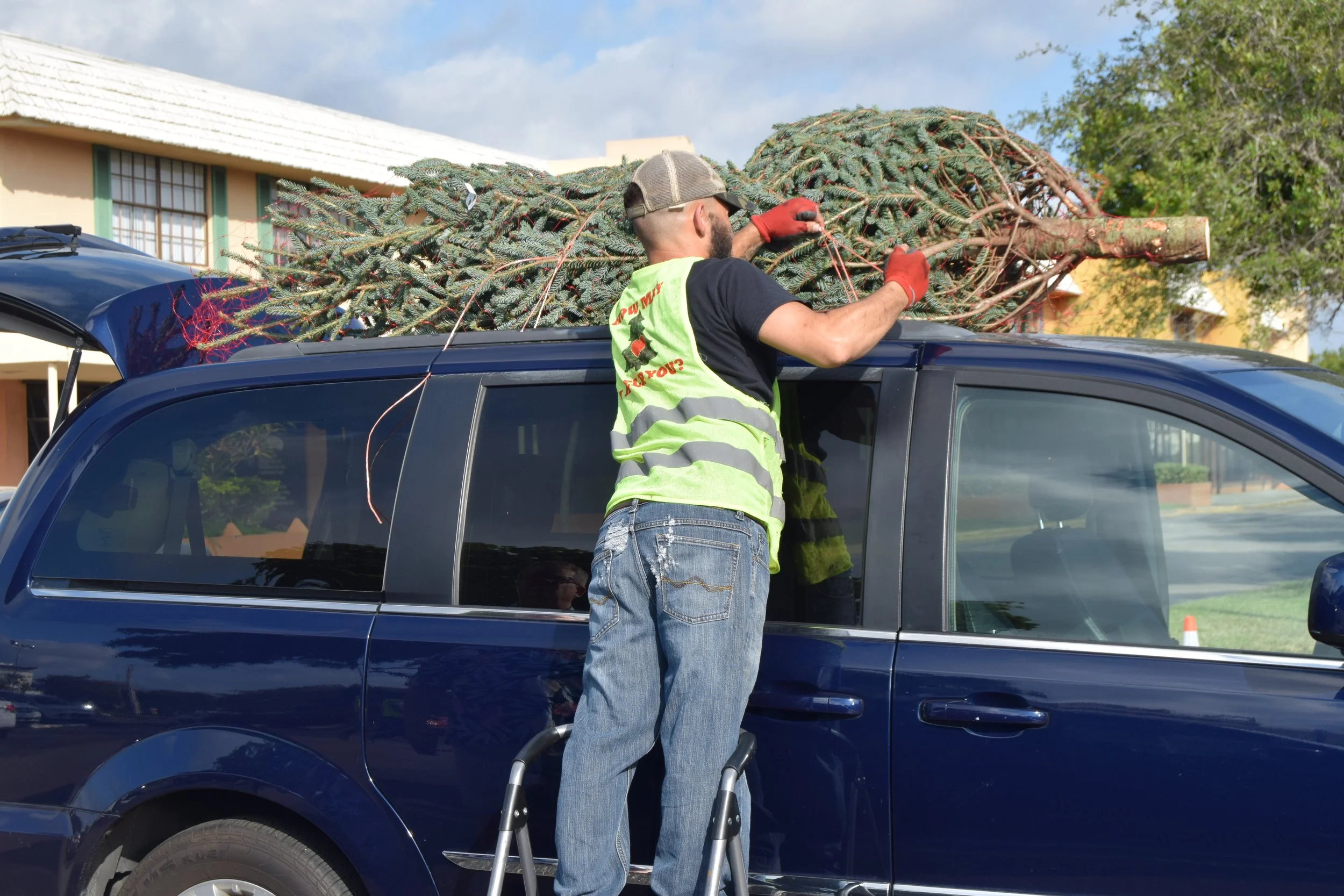
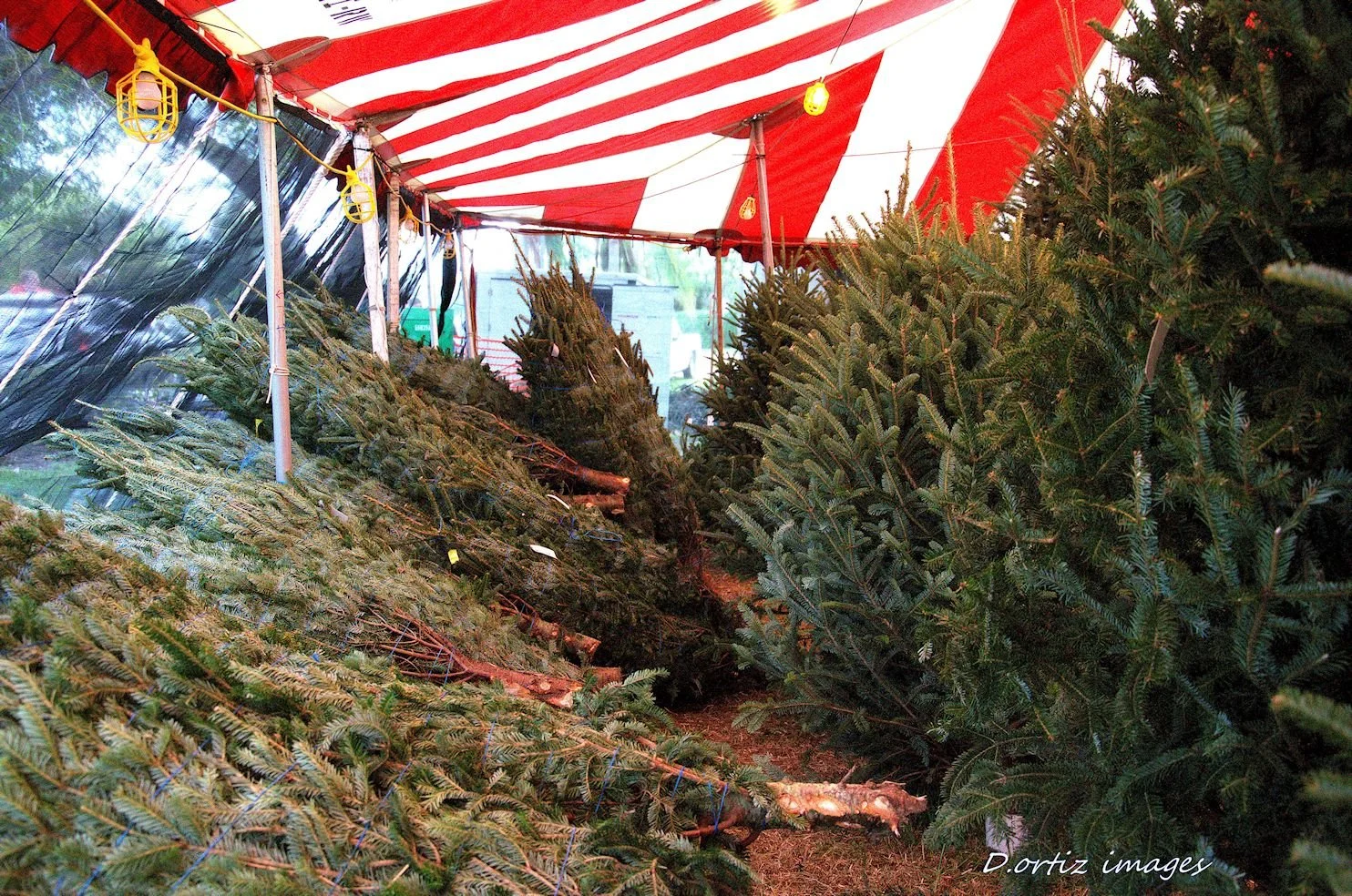
Pros to Purchasing/Having a Real Christmas Tree:
1) Environmental Benefits
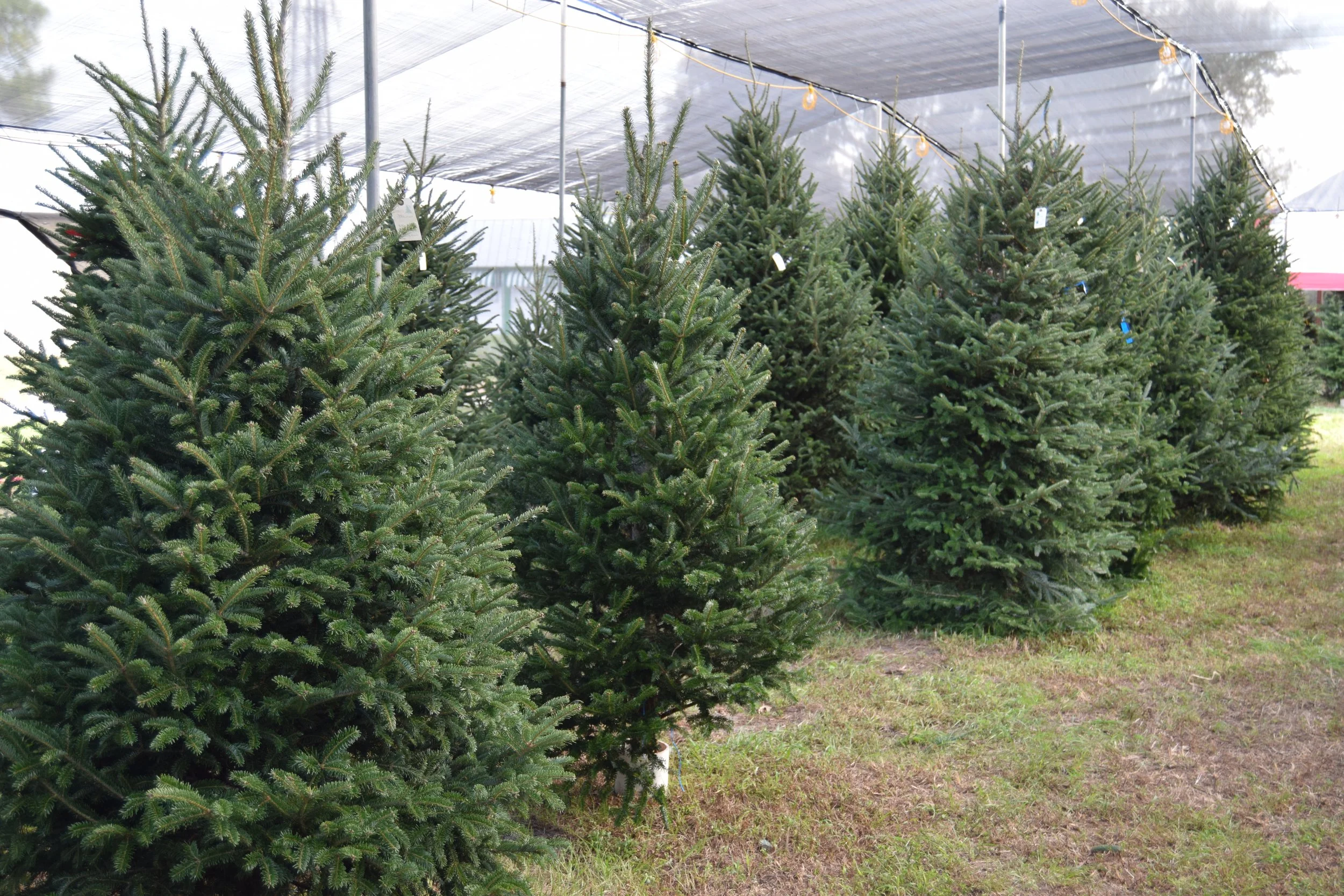
Renewable and sustainable crop - Real Christmas trees are grown on farms — not taken from natural forests.
For every tree harvested, growers typically plant 1 to 3 new seedlings, maintaining a continuous cycle of growth. (NCTA)
Carbon sequestration while growing - Trees absorb carbon dioxide (CO₂) and release oxygen throughout their 6–10 year growing period, helping offset greenhouse gas emissions. (NCTA; Ellipsos LCA)
Biodegradable and recyclable - After the holidays, real trees can be mulched, composted, or converted to biomass energy — returning nutrients to the soil instead of sitting in landfills.
Most U.S. cities offer recycling or curbside pickup programs for real trees. (NCTA; U.S. EPA)
Supports wildlife and soil health - Christmas tree farms provide habitats for birds and small animals, reduce soil erosion, and often preserve green space that would otherwise be developed. (NCTA)
2) Economic and Community Benefits
Supports local farmers and rural economies - Buying real trees supports family-run farms and local agricultural jobs.
There are about 15,000 Christmas tree farms in the U.S., producing over 25–30 million trees annually. (NCTA statistics)
Promotes American-grown products - Nearly all real trees sold in the U.S. are grown domestically, reducing the carbon footprint associated with overseas shipping (unlike most artificial trees, which are imported).
3) Health and Home Benefits
Natural scent and aesthetic -The fresh evergreen aroma and organic texture create an authentic holiday atmosphere that artificial trees can’t match.
Many people enjoy the tradition of picking and decorating a real tree together.
Chemical-free and PVC-free - Real trees are non-toxic and biodegradable, unlike artificial trees made from PVC (polyvinyl chloride) — a plastic that can release harmful compounds during manufacturing or disposal. (Environmental Working Group)
Encourages outdoor activity and family tradition - Visiting a local farm or tree lot promotes outdoor time, community interaction, and a fun, memorable holiday experience.
4) Overall Environmental Impact
When recycled or composted properly, a real tree has a smaller carbon footprint than an artificial one used for only a few years.
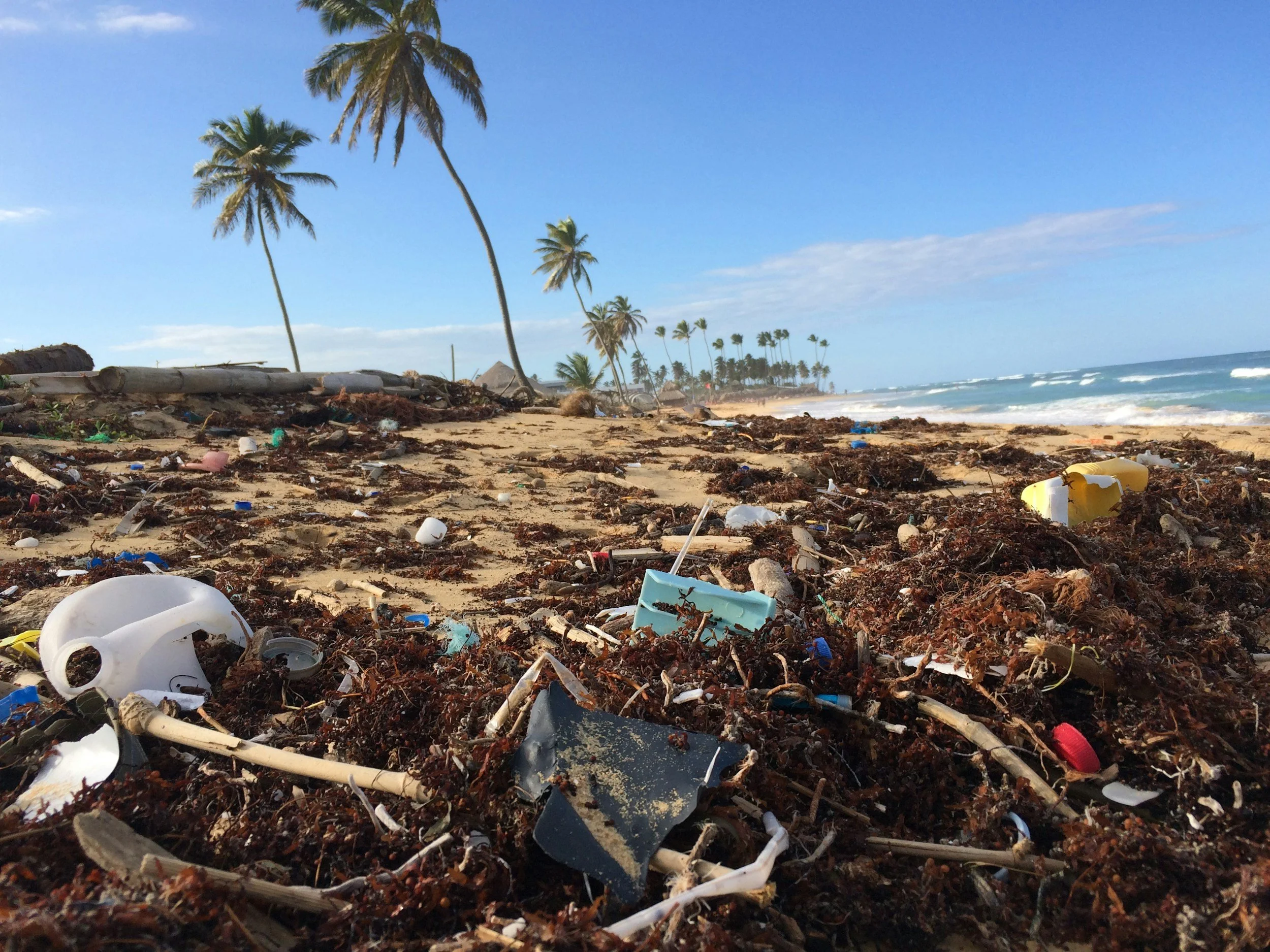
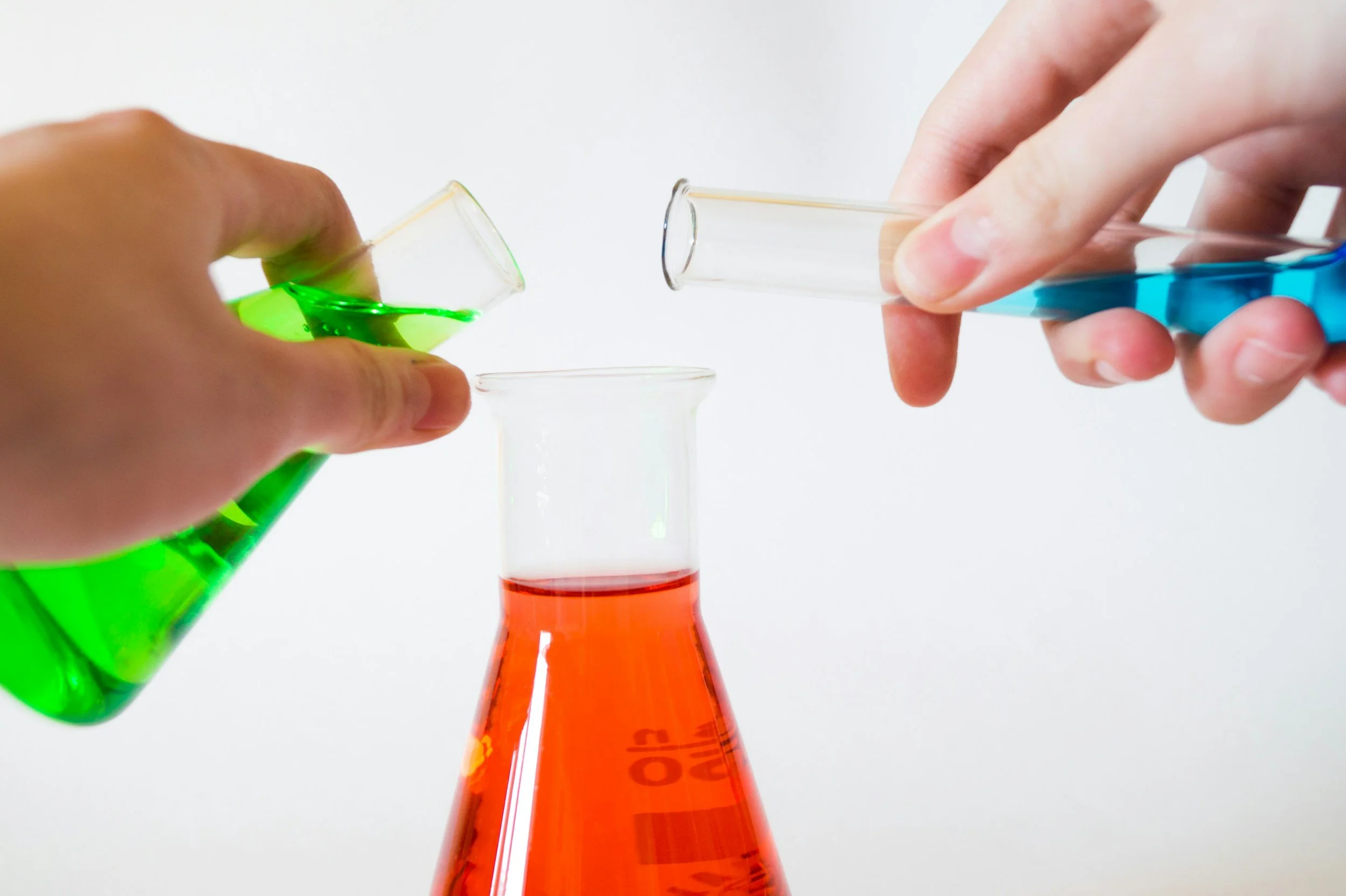
Cons to Having/Purchasing an Artificial Christmas Tree:
1) Environmental Drawbacks
Made from non-renewable materials - Artificial trees are typically made from PVC (polyvinyl chloride), a non-biodegradable plastic derived from petroleum.
PVC production releases toxic chemicals like dioxins and phthalates, which are harmful to the environment and human health. (NCTA; Environmental Working Group; EPA)
High carbon footprint from manufacturing - The production process for artificial trees involves energy-intensive manufacturing, plastic extrusion, and metal fabrication. These processes emit significantly more greenhouse gases than growing real trees on farms. (Ellipsos LCA; PE International LCA)
Mostly imported — adds shipping emissions - Around 85–90% of artificial trees sold in the U.S. are imported from China, which means additional CO₂ emissions from long-distance transportation. (NCTA)
Not recyclable or biodegradable - Artificial trees cannot be composted or recycled in normal municipal programs. Once discarded, they end up in landfills, where they can take hundreds of years to break down. (NCTA)
2) Health and Safety Concerns
Potential for chemical exposure - Older or cheaply made artificial trees may contain lead or other heavy metals used to stabilize PVC.
Over time, lead dust can accumulate on the surface, posing risks—especially to young children. (Consumer Product Safety Commission; EWG)
Off-gassing - Some artificial trees emit volatile organic compounds (VOCs) when first unpacked, contributing to poor indoor air quality. (EPA Indoor Air Quality Research)
3) Economic and Practical Drawbacks
Upfront cost and limited lifespan - While artificial trees can be reused, they often begin to show wear and tear after several years — bent branches, faded color, or broken lights.
Many consumers replace them sooner than expected, increasing long-term waste. (NCTA consumer surveys)
No local economic benefit - Because most artificial trees are imported and mass-produced, little to no money supports local farmers or U.S. jobs, unlike real tree purchases. (NCTA)
Storage and space issues - Artificial trees require year-round storage space and can degrade if exposed to heat, humidity, or sunlight.
4) Overall Environmental Impact
Life-cycle studies (e.g., Ellipsos, PE International) show that an artificial tree must be used for at least 10–20 years to have an environmental footprint equal to that of buying a real tree annually — and only if the real tree is recycled or composted.
Since most households replace artificial trees every 6–9 years, they rarely reach this break-even point. (Ellipsos LCA; Dovetail Partners report)